Zambia
Weekly

Economic Summit Addresses Regional Trade Challenges
Ministers from across the region gathered today to discuss new trade policies and economic cooperation strategies that could reshape...
Equatorial Guinea's Forest Cover: A Vital Resource Under Threat
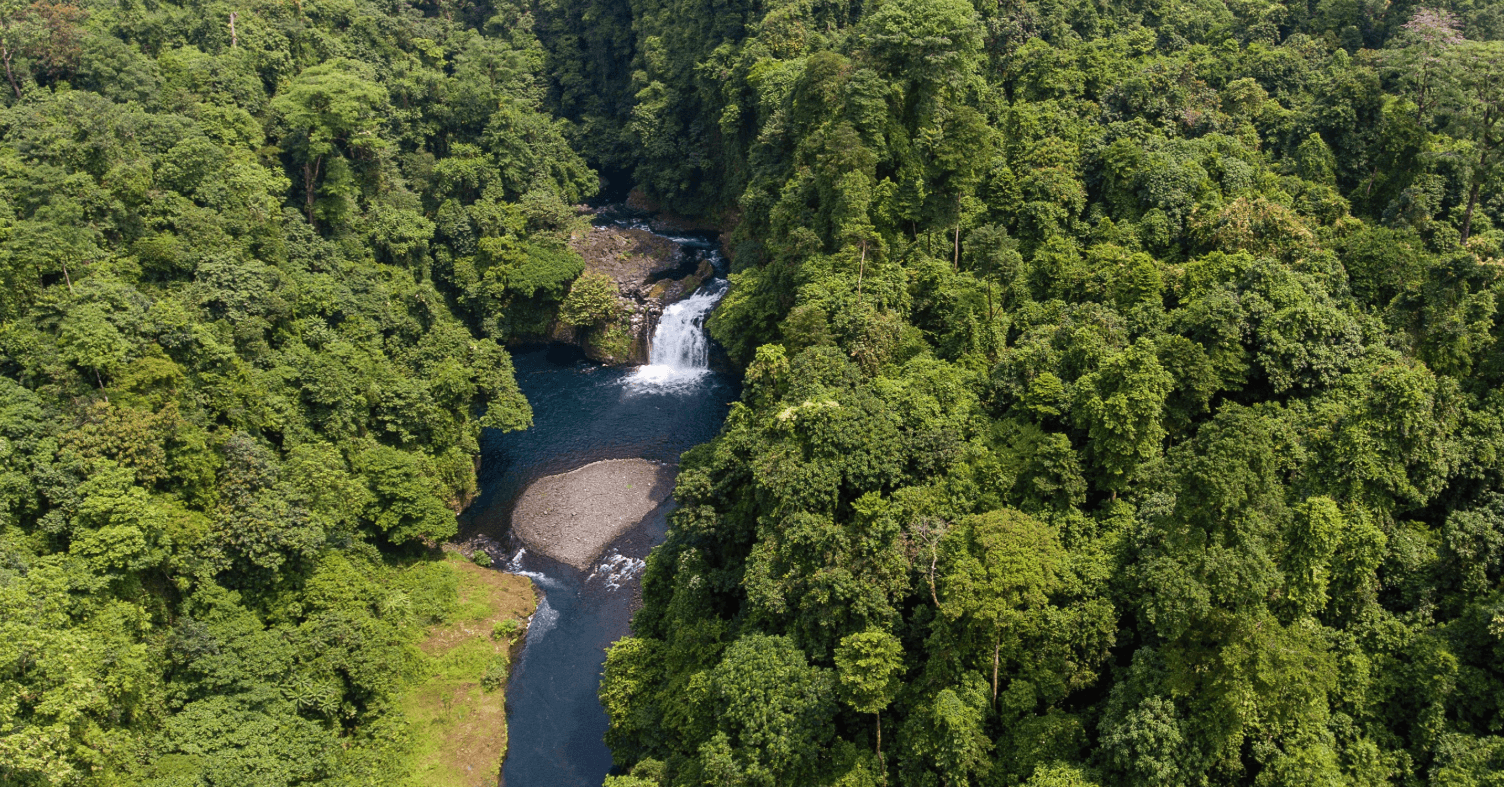
Equatorial Guinea, a nation renowned for its lush rainforests, is facing mounting challenges in preserving its forest cover. These forests, which account for over 50% of the country's land area, are not only a critical component of the global ecosystem but also a lifeline for local communities and wildlife. The dense tropical rainforests stretch across both the mainland territory of Río Muni and the island of Bioko, harboring some of Africa's most pristine and biodiverse ecosystems.
The forests of Equatorial Guinea are home to a diverse range of flora and fauna, including endangered species such as the western lowland gorilla and forest elephants. These ecosystems play a vital role in regulating the climate, storing carbon, and maintaining biodiversity. The country's forests contain over 3,250 species of vascular plants, with more than 200 endemic species found nowhere else on Earth. Additionally, these ancient woodlands support over 200 bird species, 140 reptile and amphibian species, and countless insects and invertebrates that form the foundation of complex food webs.
One of the primary drivers of deforestation in Equatorial Guinea is logging, both legal and illegal. While the timber industry contributes significantly to the nation's economy, accounting for approximately 12% of GDP, the lack of stringent regulations and enforcement has led to overexploitation. Valuable hardwood species such as okoumé, mahogany, and ebony are particularly sought after in international markets. Logging roads also open up previously inaccessible areas, paving the way for further deforestation and habitat destruction. The construction of these access routes fragments the forest landscape, creating barriers for wildlife movement and reducing the overall resilience of forest ecosystems.
"The forests of Equatorial Guinea are a treasure trove of biodiversity, but they are under siege. Protecting them is not just an environmental imperative but a moral responsibility to future generations."
— Dr. Carmen Ndong, Environmental Scientist, University of Malabo
Agricultural expansion is another significant factor contributing to forest loss. As the population grows, so does the demand for farmland and food security. Slash-and-burn agriculture, a common practice in rural areas, results in the clearing of vast tracts of forest for cocoa, coffee, and subsistence crops. While this method is often a necessity for subsistence farmers seeking to feed their families, it has devastating long-term effects on soil fertility and forest regeneration. The traditional rotating fallow system that once allowed forests to recover has been abandoned in many areas due to increasing population pressure and the need for permanent agricultural land.
Infrastructure development, including the construction of roads, dams, and urban areas, is further encroaching on forested regions. The government's ambitious development plans include expanding the capital city of Malabo and constructing new transportation networks to connect remote areas. These projects, while essential for economic growth and improving living standards, often come at the expense of the environment. Mining activities, particularly for gold and other minerals, have also begun to impact forest areas, with exploration licenses granted in previously untouched regions.
The government of Equatorial Guinea has taken steps to address deforestation and promote sustainable forest management. Initiatives such as the establishment of protected areas, including Monte Alén National Park and Pico Basile National Park, cover approximately 13% of the country's territory. Reforestation programs are underway, with international funding supporting the planting of native tree species in degraded areas. However, these efforts are often hampered by limited funding, inadequate enforcement capabilities, and a lack of public awareness about the long-term consequences of forest destruction.
International organizations and NGOs are also playing a crucial role in conservation efforts. The World Wildlife Fund, Conservation International, and local organizations work in partnership with communities to provide alternative livelihoods that reduce dependence on forest resources. Ecotourism initiatives are being developed to showcase the country's natural beauty while generating income for local communities. Education and training programs are helping to raise awareness about the importance of sustainable practices, teaching farmers about agroforestry techniques that can maintain productivity while preserving forest cover.
Despite these efforts, the rate of deforestation remains alarmingly high, with satellite data indicating an annual forest loss of approximately 0.8% over the past decade. Climate change is exacerbating the situation, with rising temperatures and changing rainfall patterns affecting forest health and increasing the frequency of droughts and extreme weather events. The loss of forest cover not only threatens biodiversity but also undermines the livelihoods of communities that rely on these ecosystems for food, medicine, and shelter. Forest-dependent communities, particularly indigenous groups, face displacement and loss of cultural heritage as their ancestral lands disappear.
The economic implications of forest loss extend beyond the immediate timber revenues. Forests provide essential ecosystem services worth billions of dollars annually, including water regulation, carbon sequestration, and natural disaster protection. The country's tourism potential, largely dependent on its natural attractions, could be severely compromised if current deforestation trends continue. Additionally, the loss of medicinal plants and traditional knowledge could impact healthcare systems that rely on forest-derived remedies.
Looking ahead, the future of Equatorial Guinea's forests will depend on a multi-faceted approach that includes stronger policies, community involvement, and international support. Innovative financing mechanisms, such as payments for ecosystem services and carbon credit programs, could provide economic incentives for forest conservation. Technology solutions, including satellite monitoring and drone surveillance, can improve enforcement efforts and track illegal logging activities in real-time. By prioritizing conservation and sustainable development, the nation can protect its forests for generations to come while ensuring economic prosperity for its people.
Related Topics
Douala Residents Face Sharp Rise in Property Taxes
10 Mins Read

Intelligence Committee to begin circulating draft Ukraine report Monday
10 Mins Read

Central African Republic Faces Import and Export Challenges
10 Mins Read
Libreville Property Prices Surge Amid Growing Demand
10 Mins Read
Gabon Rural Areas See Record Agricultural Produce in 2025 Report
12 Mins Read

Entertainment: Cultural Events and Festivals
5 Mins Read
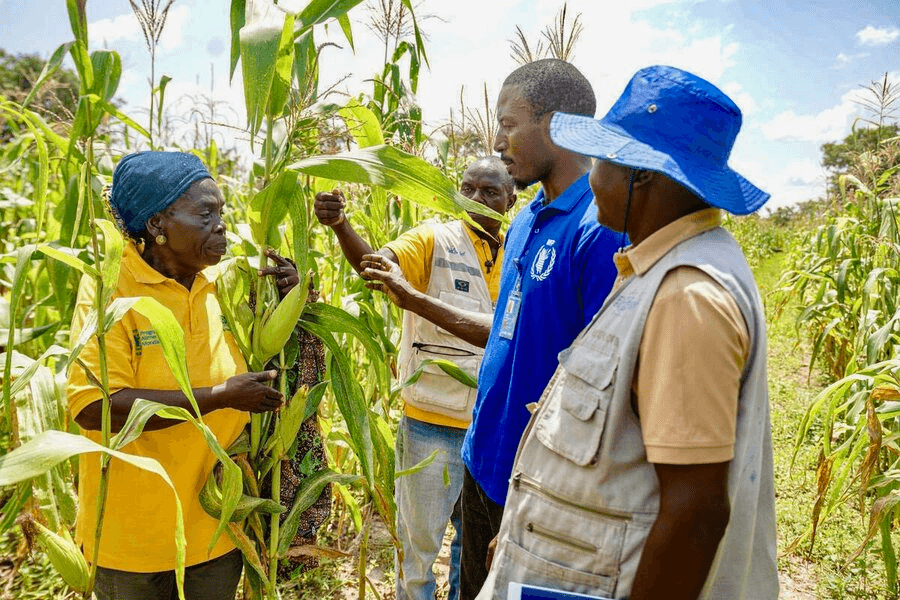
Central African Republic Q2 Agriculture Report
7 Mins Read

Central African FinTech Industry: A Rapidly Growing Sector
12 Mins Read
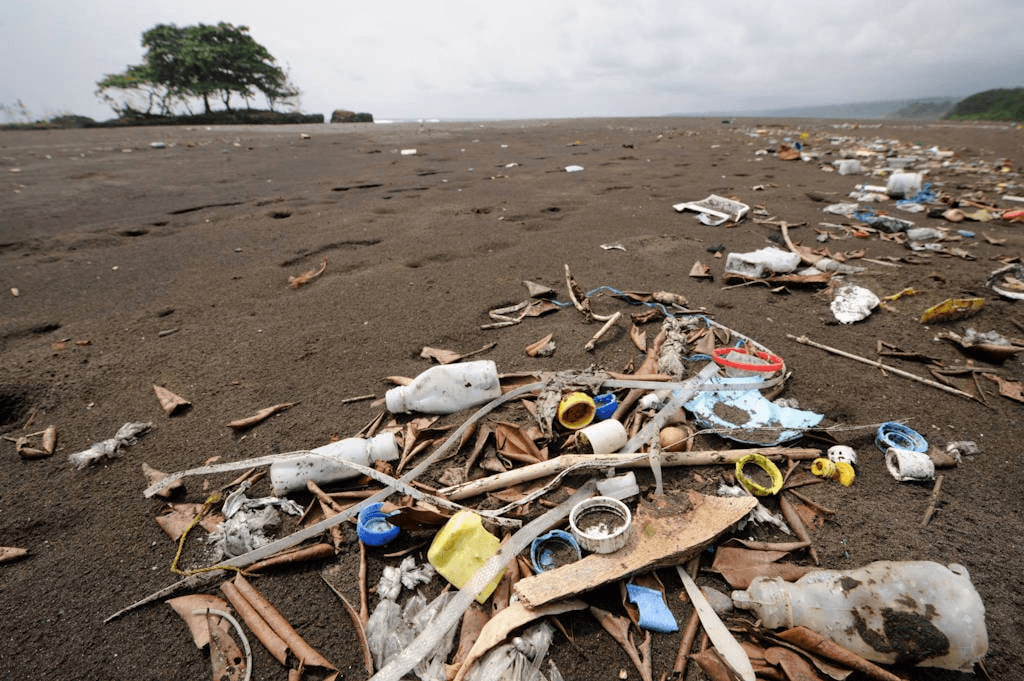
Pollution in Bata, Equatorial Guinea: A Growing Environmental Concern
15 Mins Read
Equatorial Guinea's Forest Cover: A Vital Resource Under Threat
15 Mins Read
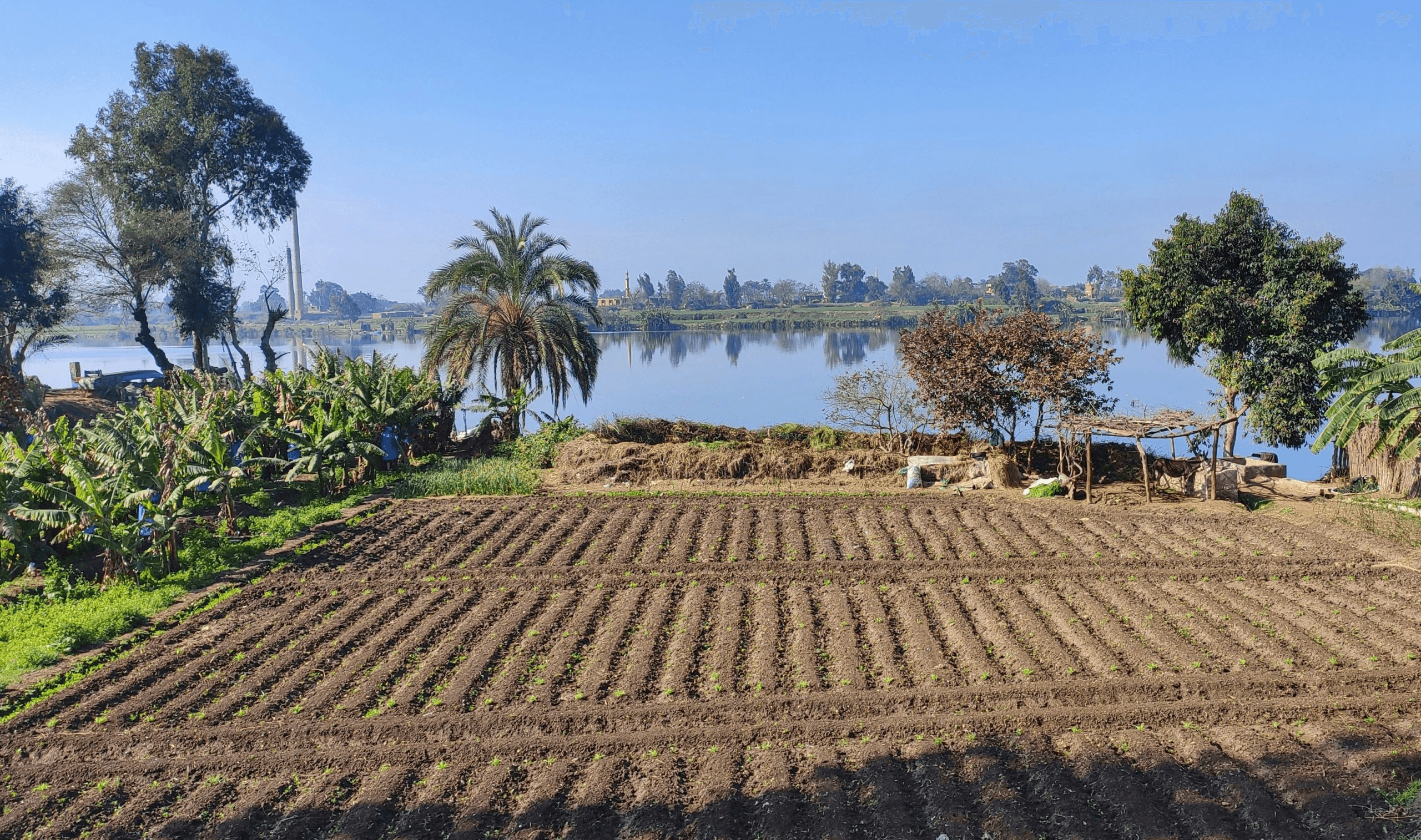
The Nile River: A Lifeline for Agriculture in the Region
12 Mins Read
Burundi's Highway Conditions: Challenges and Opportunities
12 Mins Read

South Africa's Nuclear Power Plants: Updates and Future Plans
15 Mins Read

Entertainment: Cultural Events and Festivals
15 Mins Read
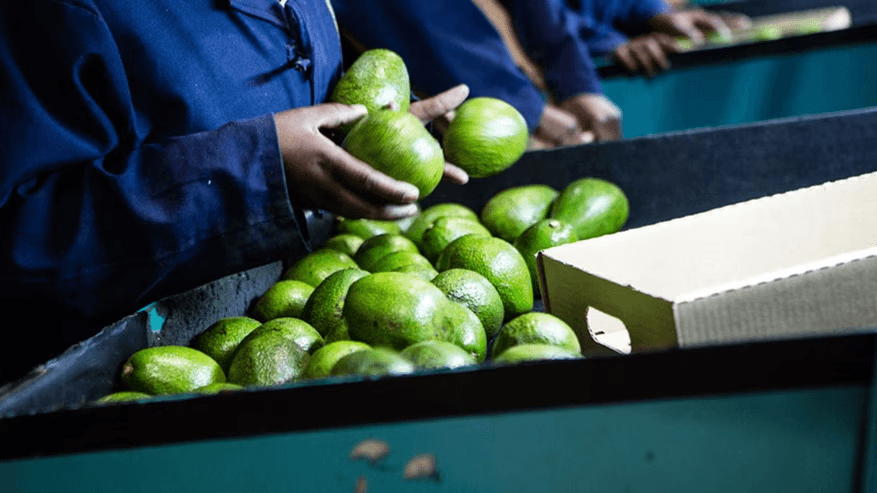
Central African Republic Q2 Agriculture Report
12 Mins Read

Central African FinTech Industry: A Rapidly Growing Sector
12 Mins Read
Get first update
Get the news in front line by subscribe ✍ our latest updates
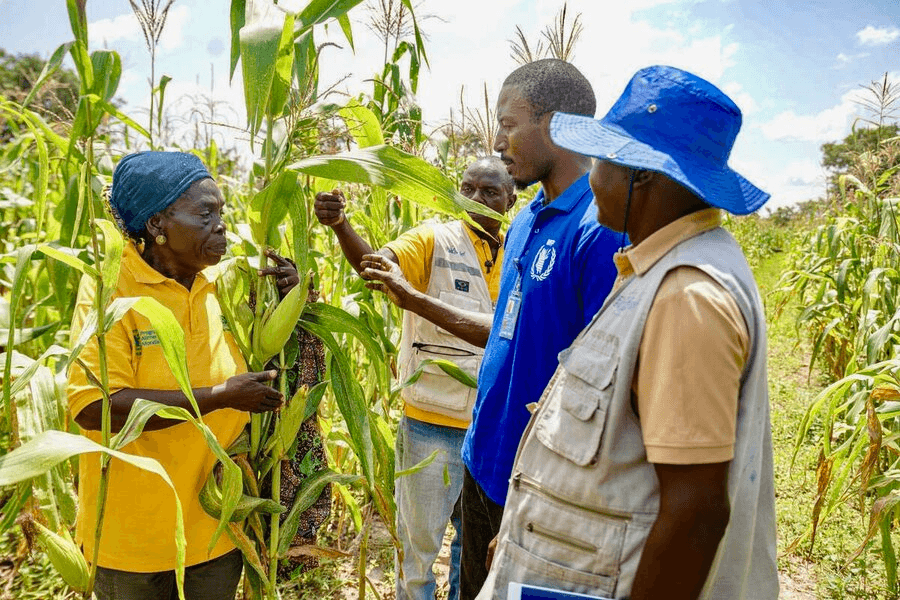
Central Africa Report | Economic Growth and Challenges
by Marie Ngo Siba · June 15, 2024
Central Africa continues to face economic challenges while exploring opportunities for growth in trade and infrastructure...
Douala Residents Face Sharp Rise in Property Taxes
June 15, 2024
Central African Republic Faces Import and Export Challenges
June 15, 2024
Libreville Property Prices Surge Amid Growing Demand
June 15, 2024
Gabon Rural Areas See Record Agricultural Produce in 2025 Report
June 15, 2024
SOCIAL NETWORKS
• Google+
• RSS